Aligning Pitch and Track Data Streams for Optimized Layered Betting Positions
Written by Drew Becker · Aug 18, 2026
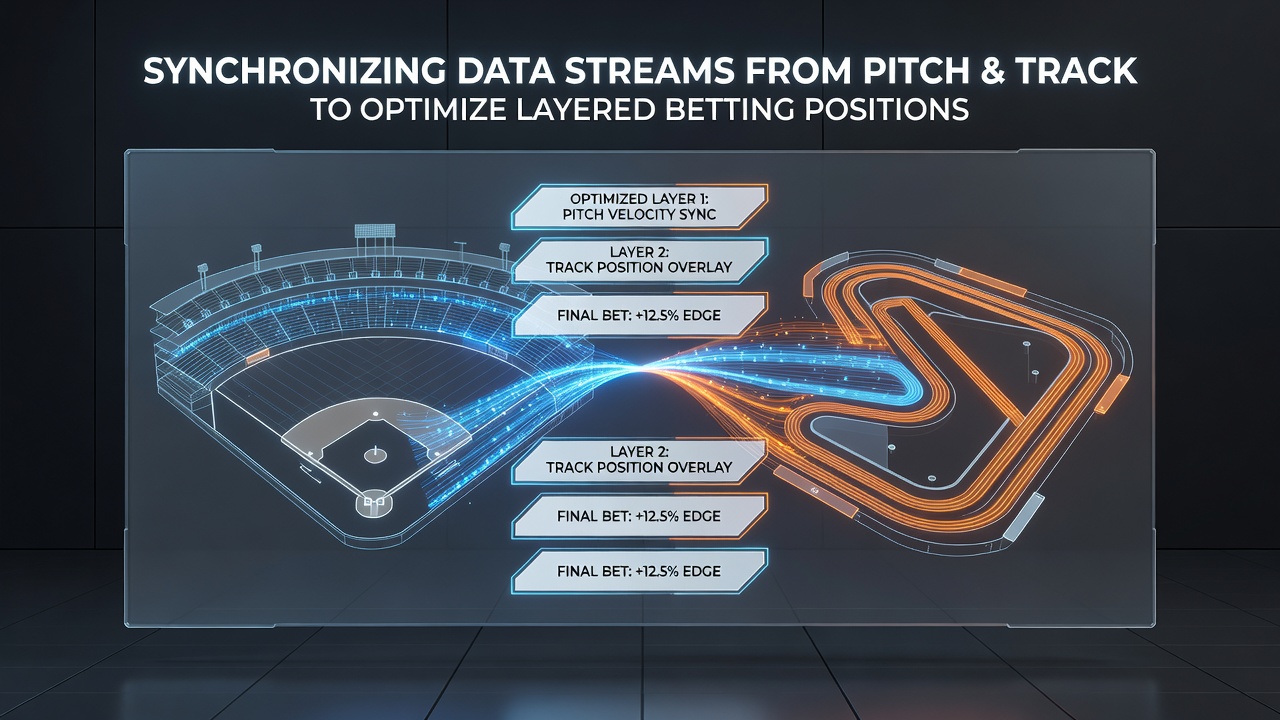
Aligning Pitch and Track Data Streams for Optimized Layered Betting Positions
Operators and analysts handle separate data pipelines from soccer matches and horse races every day, yet combining those streams creates layered positions that adjust across multiple events at once. Live ball possession rates from the pitch feed into accumulator structures while sectional times from the track update the same portfolio in parallel, allowing position sizing to shift as conditions evolve.
Core Components of Separate Data Feeds
Soccer pitch streams deliver event-level updates on player movements, pass completion percentages, and shot locations through optical tracking systems installed at stadiums, whereas track feeds supply GPS-derived horse speeds, stride lengths, and pace figures captured by sensors along the rail. These sources operate on different clock cycles and formats, with soccer data arriving in sub-second bursts during active play and racing data arriving at fixed intervals between furlongs. Synchronization begins with timestamp alignment that maps each incoming packet to a shared timeline measured in milliseconds, which prevents drift when one stream pauses during half-time and the other continues through race intervals.
Technical Alignment Methods
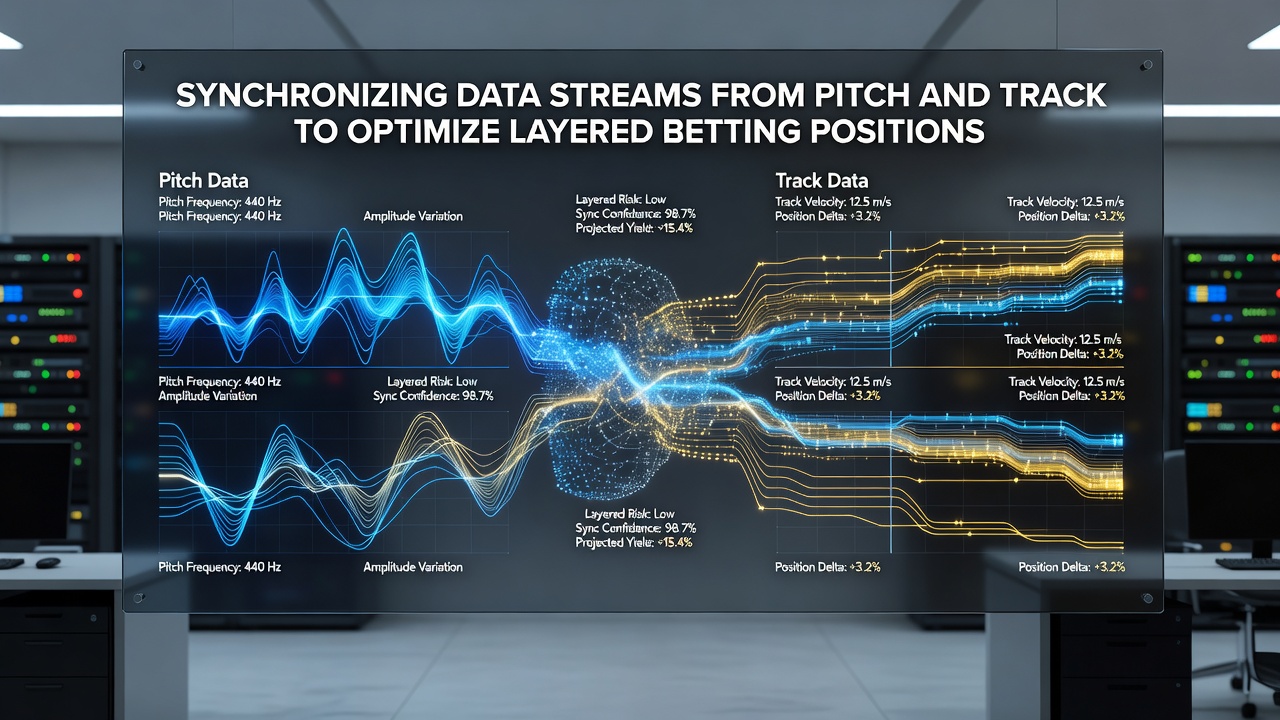
Latency compensation algorithms adjust for transmission delays that differ between stadium networks and racecourse uplinks, using reference clocks from satellite sources to recalibrate both feeds before merging. Once aligned, conditional triggers link events across domains, such as a late goal that alters soccer accumulator odds coinciding with a track bias shift caused by changing ground conditions. The merged dataset then feeds into position management engines that recalculate stake distributions across open bets without requiring manual intervention at each update. Research from university laboratories on multi-sport data fusion shows these merged streams reduce timing errors by measurable margins when compared against unsynchronized baselines.
Applications in Accumulator Construction
Layered positions built on combined data allow a single accumulator to include both a football team total and a horse win market, with live adjustments applied when either leg moves. For instance, sustained high pressing intensity on the pitch can elevate the probability weight of a late goal leg while simultaneous improvements in a horse's final sectional time strengthen the parallel racing leg. Position layering then scales exposure across these legs according to updated joint probabilities rather than isolated odds. Observers note that such structures appear more frequently in portfolios managed by professional syndicates that maintain dedicated data teams.
August 2026 Calendar Overlaps
August 2026 features clustered fixtures across premier leagues and major racing festivals that create repeated windows where soccer and racing events run within minutes of each other. Data platforms that maintain continuous synchronization across these windows record higher volumes of cross-market adjustments during those periods compared with months that lack such overlaps. Industry reports from the American Gaming Association indicate that operators handling multi-sport calendars invest additional resources in unified data pipelines precisely to capture these seasonal patterns.
Regulatory and Infrastructure Considerations
Frameworks established by bodies such as the Australian Gambling Research Centre emphasize audit trails for any automated position changes that rely on merged data streams. These requirements focus on logging the exact timestamp when a soccer event or track update triggered a stake modification, ensuring traceability across jurisdictions. Infrastructure upgrades at data centers now prioritize redundant ingestion points for both pitch and track feeds to maintain continuity during peak calendar periods.
Conclusion
Effective synchronization of pitch and track data streams supports the construction of layered betting positions that respond to live developments across unrelated events. Timestamp alignment, latency correction, and joint probability modeling form the technical foundation, while calendar overlaps in periods such as August 2026 provide practical testing grounds for these systems. Continued refinement of these methods depends on consistent infrastructure and adherence to established reporting standards across regions.