Coordinating Equine Pace Assessments with In-Play Control Indicators for Composite Bet Layers
Written by Bianca Meier · Oct 5, 2026
Coordinating Equine Pace Assessments with In-Play Control Indicators for Composite Bet Layers
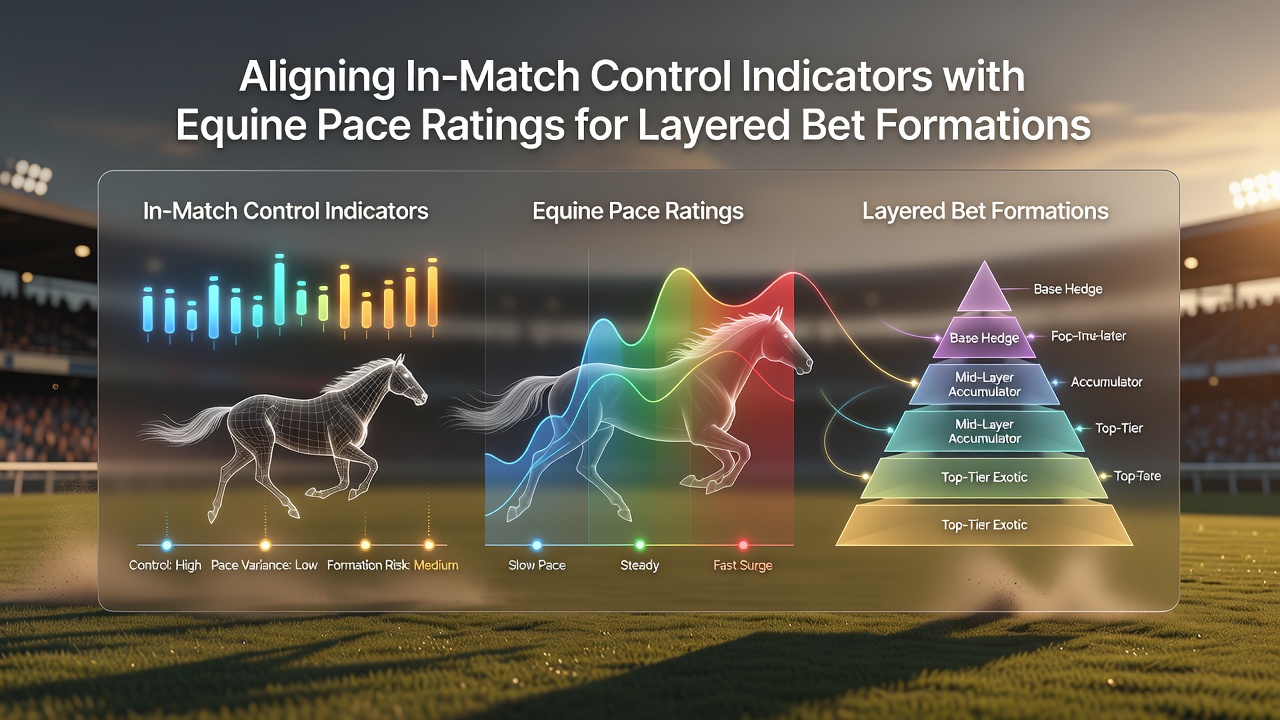
Analysts in the betting sector have examined methods that link horse racing pace data with football match control statistics, and these approaches support the construction of layered bet formations across multiple events. Data from race timing systems and match analytics platforms demonstrate how speed figures from turf performances can pair with possession and territorial metrics from soccer fixtures, creating structures that spread risk across several outcomes in a single wager.
Defining Key Metrics in Each Sport
Equine pace ratings derive from sectional timing recorded during races, where observers calculate average speed over specific distances and adjust for track conditions plus horse weight carried. Researchers at institutions such as the University of Melbourne have published findings on how these ratings shift when surface moisture changes, while industry reports from Racing Australia confirm that pace adjustments improve prediction accuracy for subsequent starts. In football, in-match control indicators include metrics like expected threat, territorial dominance, and pass completion rates under pressure, and governing bodies such as the German Football Association track these figures through standardized data feeds during league matches.
Those who combine the two sets of numbers often start by normalizing the values onto a common scale. A horse with a pace rating of 85 on good ground might receive a weighted score that then multiplies with a football team's 62 percent territorial control figure from a recent fixture. The resulting product feeds into accumulator layers where each additional selection must meet a minimum combined threshold before the next leg activates.
Building Layered Formations Step by Step
Operators construct the first layer by selecting one or two horse races scheduled on the same day as a football match, then they cross-reference the equine pace rating against the control indicator from the soccer contest. When the numbers align within a predetermined range, the bet proceeds to the second layer, which might incorporate an additional horse or a half-time control statistic. This sequential gating reduces the total number of combinations that reach the payout stage, yet it also concentrates stake value on the selections that satisfy every alignment criterion.
Studies released by the European Pari Mutuel Association in October 2026 highlighted how operators in several member countries applied similar gating systems during the autumn racing calendar. The reports noted that layered formations using dual-sport metrics recorded lower average payout frequencies compared with traditional accumulators, although the median return per successful ticket increased because fewer losing legs reached the final stage. Observers note that the method requires consistent data feeds from both sports, and timing mismatches between afternoon races and evening fixtures can disrupt the alignment process unless operators apply time-zone adjustments in their models.
Data Integration Challenges and Solutions
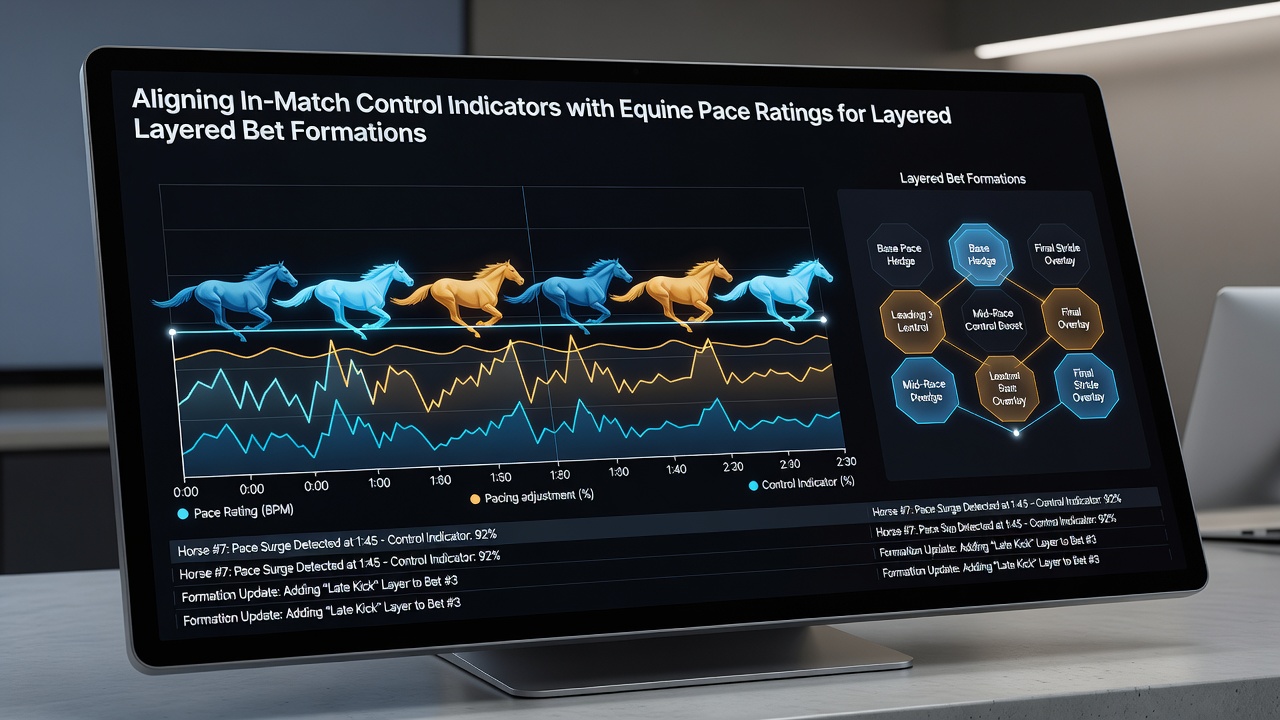
Integrating the two data streams presents several technical hurdles. Race pace ratings update after each meeting, whereas football control indicators refresh in real time during matches, so platforms must maintain separate update schedules that converge at the moment a layered bet locks. Software providers address this by creating timestamped snapshots that freeze the control metric at the start of each new horse race, allowing the system to treat both inputs as static for the duration of the formation. A trial conducted by the Canadian Pari-Mutuel Agency in 2025 demonstrated that snapshot protocols reduced calculation errors by 18 percent across multi-leg wagers that spanned different time zones.
Further adjustments account for variable race distances and football match contexts. A sprint pace rating cannot transfer directly to a staying race without distance normalization, and a control indicator from a high-scoring game requires context weighting before it pairs with a defensive-minded football selection. Analysts apply regression coefficients derived from historical datasets to perform these normalizations, and the resulting adjusted scores enter the layered structure at the appropriate gate.
Practical Examples from Recent Seasons
One documented case involved a layered bet that paired a Newmarket mile race with a Premier League fixture on the same Saturday. The equine pace rating of 78, adjusted for soft ground, combined with the home team's 58 percent expected threat share to clear the first gate. The formation then added a second horse whose pace rating aligned with the away team's second-half control indicator, and the ticket advanced to a third layer that required both horses to place within their respective fields. The structure settled successfully when the numerical thresholds held across all three selections.
Similar formations have appeared in Australian and North American betting markets, where operators link thoroughbred speed figures with Major League Soccer territorial data. Reports from the Hong Kong Jockey Club indicate that October 2026 saw increased interest in these cross-sport layers during overlapping festival periods, although volume remained modest compared with single-sport accumulators.
Conclusion
Coordinating equine pace assessments with in-play control indicators provides a structured route for operators and bettors to assemble layered formations that span horse racing and football. The process relies on normalized metrics, sequential gating, and consistent timestamping to maintain alignment across events. Data from multiple regulatory and industry sources show that these methods alter payout distributions while requiring precise data handling to function effectively. As timing systems and analytics platforms continue to evolve, the integration techniques described here offer one factual pathway for constructing composite bets that respect the distinct characteristics of each sport.